

If your child has allergies, watching them experience an allergic reaction can be frightening. Parents of toddlers, especially, have to think quickly—do I use their EpiPen, give them Benadryl, or call 9-1-1?
Emily Weis, MD, Clinical Director and Regional Director of Allergy and Immunology at UR Medicine, explains what signs to look for during an allergic reaction and how to know when to use your child’s EpiPen.
What is an EpiPen?
An EpiPen is a common brand name for a device that delivers a single dose of epinephrine to treat severe allergic reactions or anaphylaxis. Other product names include the Auvi-Q and the Adenaclick.
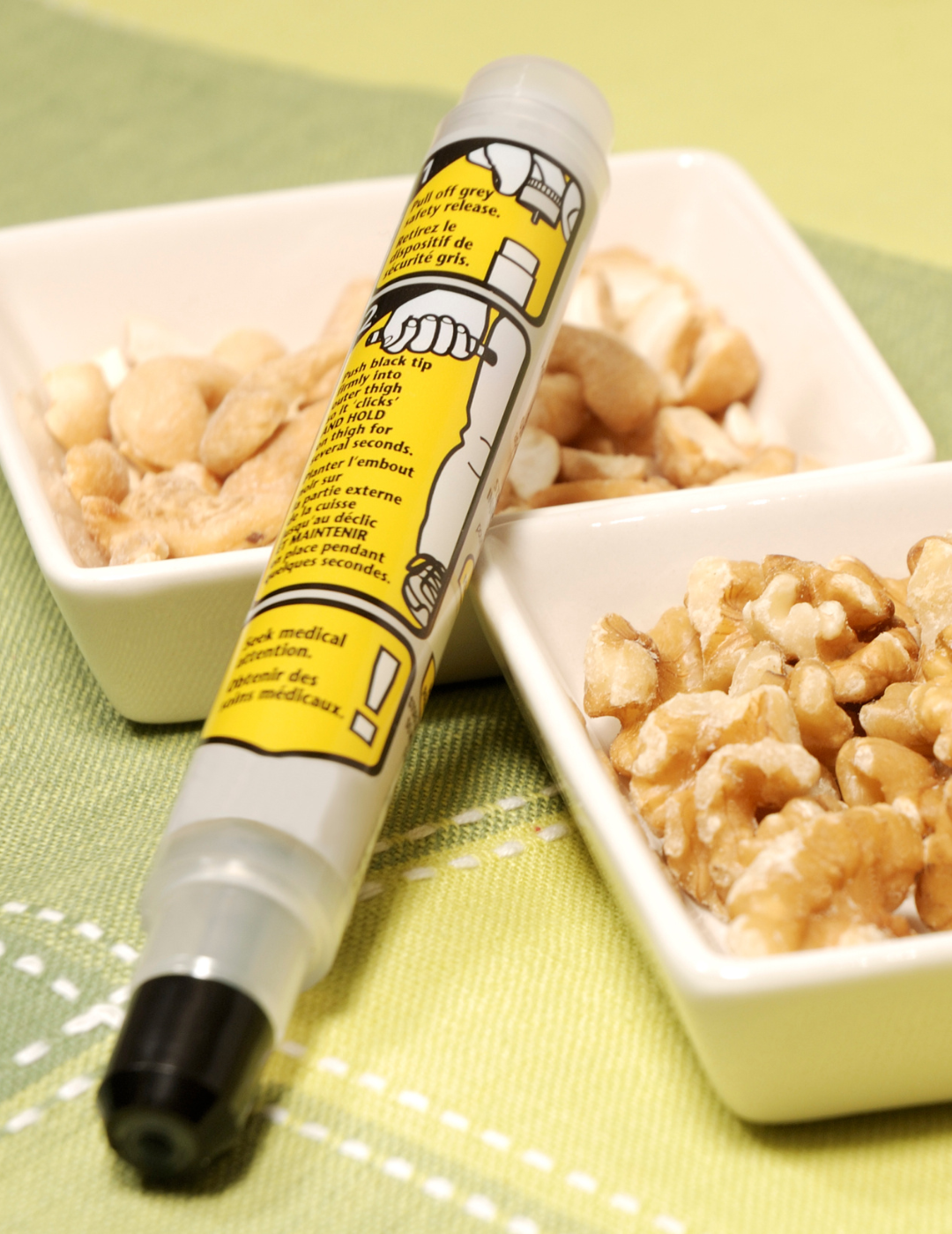
Epinephrine, also known as adrenaline, is a hormone that can be used as a medication for people experiencing a severe and potentially life-threatening allergic reaction. When injected, it narrows blood vessels, increases blood pressure, and helps improve breathing. It can also stop hives and swelling anywhere on the body.
An epinephrine injection should be used on the prescribed patient any time they’re experiencing a severe allergic reaction.
But how can you tell if the reaction is serious enough to require epinephrine? If you notice any of the following symptoms, use your child’s epinephrine injector.
Symptoms of a severe allergic reaction
Anaphylaxis may happen minutes to hours after being exposed to an allergen. Symptoms may appear on their skin, tongue, throat, or internally.
Signs you can see or hear:
- Tightness or swelling of the throat,
tongue, or uvula
- Wheezing or trouble breathing
- Severe itching of the skin
Signs you cannot see or hear:
- Uneasy feelings or agitation
- Severe nausea and/or stomach pain
Some symptoms of severe allergic reaction require immediate medical attention, including:
- Swelling, which can lead to difficulty breathing or swallowing
- Shortness of breath or wheezing
- Severe dizziness, vomiting, and/or confusion
If you notice these major signs or symptoms, use your child’s epinephrine injector—especially if they have come in contact with a known allergen.
I gave my child an epinephrine injection. Now what?
Do I call 911, go to the ED, go to urgent care, or call their primary care doctor?
For families of children at risk for anaphylaxis, the possibility of an allergic reaction is a constant concern. An allergy action plan is crucial for quick and effective treatment. This plan should be reviewed regularly with both the child’s board-certified allergist/immunologist and primary care provider to ensure it’s up to date.
When to call 9-1-1 after using an EpiPen for your child:
The standard recommendation has always been to call 911 immediately after giving epinephrine and to have a second dose ready if needed. Contacting a primary care provider or allergist first could delay urgent medical care.
Research at URMC
The Allergy & Immunology teams at Golisano Children Hospital are involved in research in the diagnosis, treatment, and prevention of allergic diseases, asthma, and immunology. Find out what our teams are studying and learn about current clinical trials.
Current Research
However, recent guidelines suggest that in certain cases, a child may be monitored at home instead of going to the ER—but only if:
- The reaction is mild and fully resolved after epinephrine
- A second dose of epinephrine is available
- The family has had extensive education on allergic reactions
- A shared decision-making plan with the allergist is in place
EpiPen vs. Benadryl
Benadryl (diphenhydramine) is an antihistamine that can help relieve mild allergy symptoms like itching, hives, or a runny nose. However, it does not stop or treat anaphylaxis. If your child is experiencing a severe allergic reaction, Benadryl is not a substitute for epinephrine.
An EpiPen (epinephrine) is the only first-line treatment for anaphylaxis because it works quickly to reverse life-threatening symptoms, including throat swelling, difficulty breathing, and a dangerous drop in blood pressure. Delaying epinephrine use can increase the risk of severe complications, hospitalization, or even death.
While Benadryl may be used as a secondary treatment for mild itching or hives, it should never delay or replace epinephrine when anaphylaxis is suspected. If in doubt, always use the EpiPen first and seek emergency care immediately.
Allergy, Immunology & Rheumatology at UR Medicine
URMC has been designated a World Allergy Organization Center of Excellence, with expertise in all allergies, including food allergy and allergic rhinitis; immunodeficiency; clinical immunology; atopic dermatitis; and asthma. Our rheumatology team has world-renowned members with expertise in rheumatoid and psoriatic arthritis, lupus, Sjögren’s Syndrome, scleroderma, and musculoskeletal ultrasound.
Our Services
link