

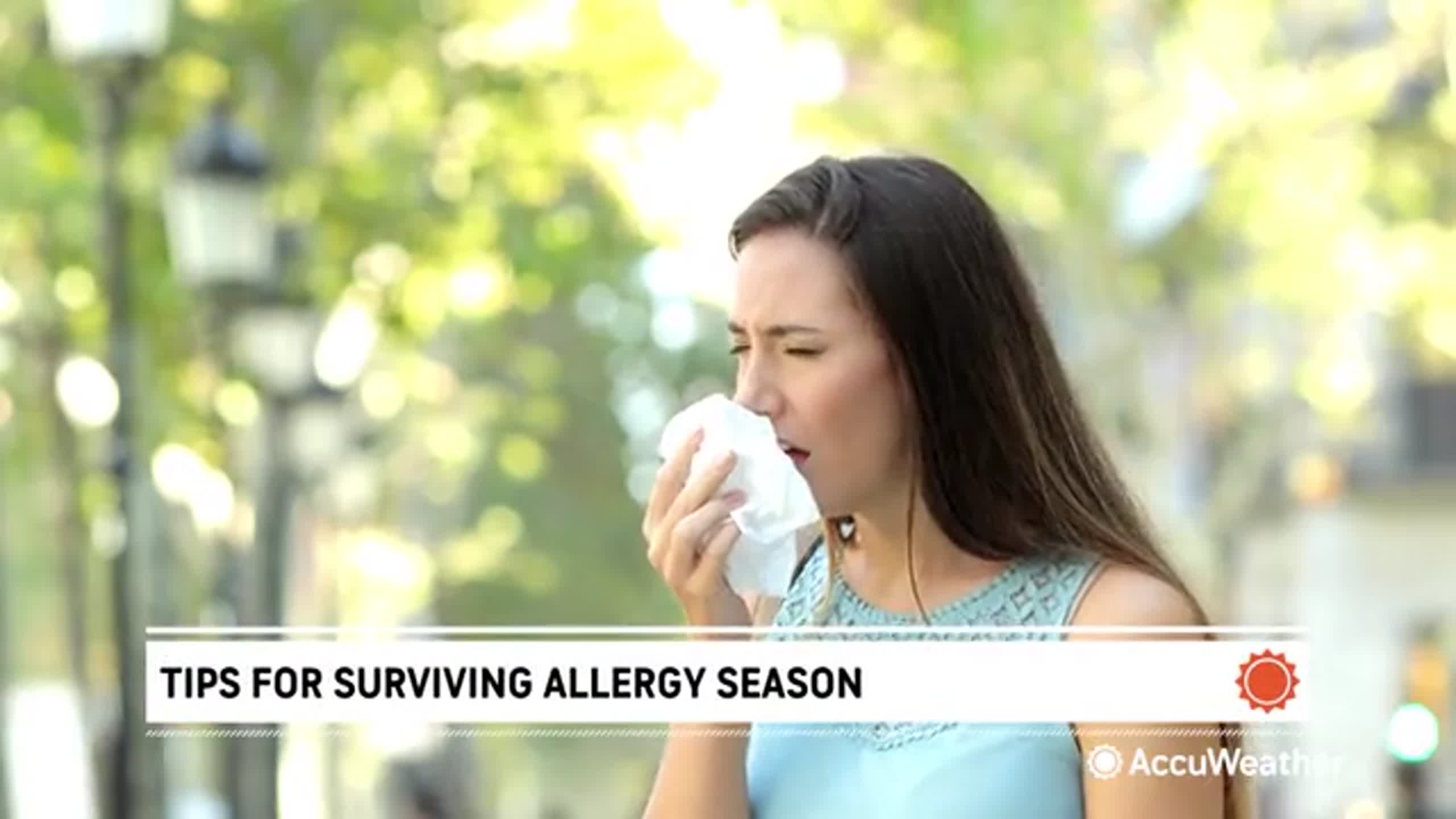

How to survive allergy season
Spring is almost here and so is allergy season. Here are five surprising ways to survive spring allergies.
Spring is finally here!
But, for some ― along with all the great things the season brings ― come allergy symptoms like itchy and watery eyes, runny nose, sneezing and coughing.
Conditions for allergy sufferers have gotten worse over the last three decades, according to a new report from the Asthma and Allergy Foundation of America,
“Due to climate change, growing seasons start earlier and last longer than they did just 30 years ago. Some parts of the United States now experience pollen (tree, grass, or weed) year-round,” the report says. “Warmer temperatures also trap heat in urban areas, increasing air pollution, and stimulating pollen production.”
AAFA’s 2025 Allergy Capitals report ranked the 100 most-populated metropolitan areas in the contiguous U.S., based on factors that influence the experience of those with seasonal allergies. The report gave each metro area a rating of “worse than average,” “average” or “better than average” in the following three categories: tree, grass and weed pollen scores; over-the-counter allergy medicine use; and availability of board-certified allergists and immunologists.
The report used data from the U.S. Census Bureau, Pollen Sense LLC automated particulate sensors, the Circana medication sales database and the Komodo Health Prism health care database. You can read the full report and methodology here.
AAFA’s rankings show that many southern and southeastern cities are harder places to live in with allergies while communities in the Midwest, Northeast and West ― including those in Wisconsin ― often provide a more allergy-friendly environment.
Here’s how Wisconsin’s two biggest cities measure up:
How bad are seasonal allergies in Wisconsin?
Out of the 100 metro areas in AAFA’s report, the Madison and Milwaukee areas ranked among the top 15 best places to live for seasonal allergy sufferers, both earning an overall rating of “better than average.”
Madison ranked 93rd out of 100 on AAFA’s list of the “Most Challenging Places to Live with Pollen Allergies in 2025.” The report said Wisconsin’s capital city has “better than average” overall pollen levels. Madison also earned “better than average” ratings for allergy medication use and availability of allergy and immunology specialists.
Milwaukee finished close behind in 87th place. The city earned “better than average” overall pollen and medication use ratings while the report said it has an “average” number of available allergy and immunology specialists.
What are the worst cities for seasonal allergies?
The following U.S. metro areas ranked among the top 10 Most Challenging Places to Live with Pollen Allergies in 2025, according to AAFA’s report:
- Wichita, Kansas
- New Orleans, Louisiana
- Oklahoma City, Oklahoma
- Tulsa, Oklahoma
- Memphis, Tennessee
- Little Rock, Arkansas
- Raleigh, North Carolina
- Richmond, Virginia
- Greenville, South Carolina
- Greensboro, North Carolina
What are the best cities for seasonal allergy sufferers?
The following 10 metro areas ranked the lowest on AAFA’s list of the Most Challenging Places to Live with Pollen Allergies in 2025:
100. Boston, Massachusetts
99. Salt Lake City, Utah
98. Akron, Ohio
97. San Diego, California
96. Cleveland, Ohio
95. Boise, Idaho
94. Provo, Utah
93. Madison, Wisconsin
92. Ogden, Utah
91. Denver, Colorado
link