
Published December 16, 2025 10:29AM
If there’s one thing coaches and doctors have drilled into athletes since time immemorial, it’s that sleep is critical to performance. Yet, despite the fact that both the International Olympic Committee and the NCAA agree, researchers have found that athletes tend to get less sleep—and poorer sleep—than non-athletes. As a result, many resort to sleep aids, one of which is melatonin.
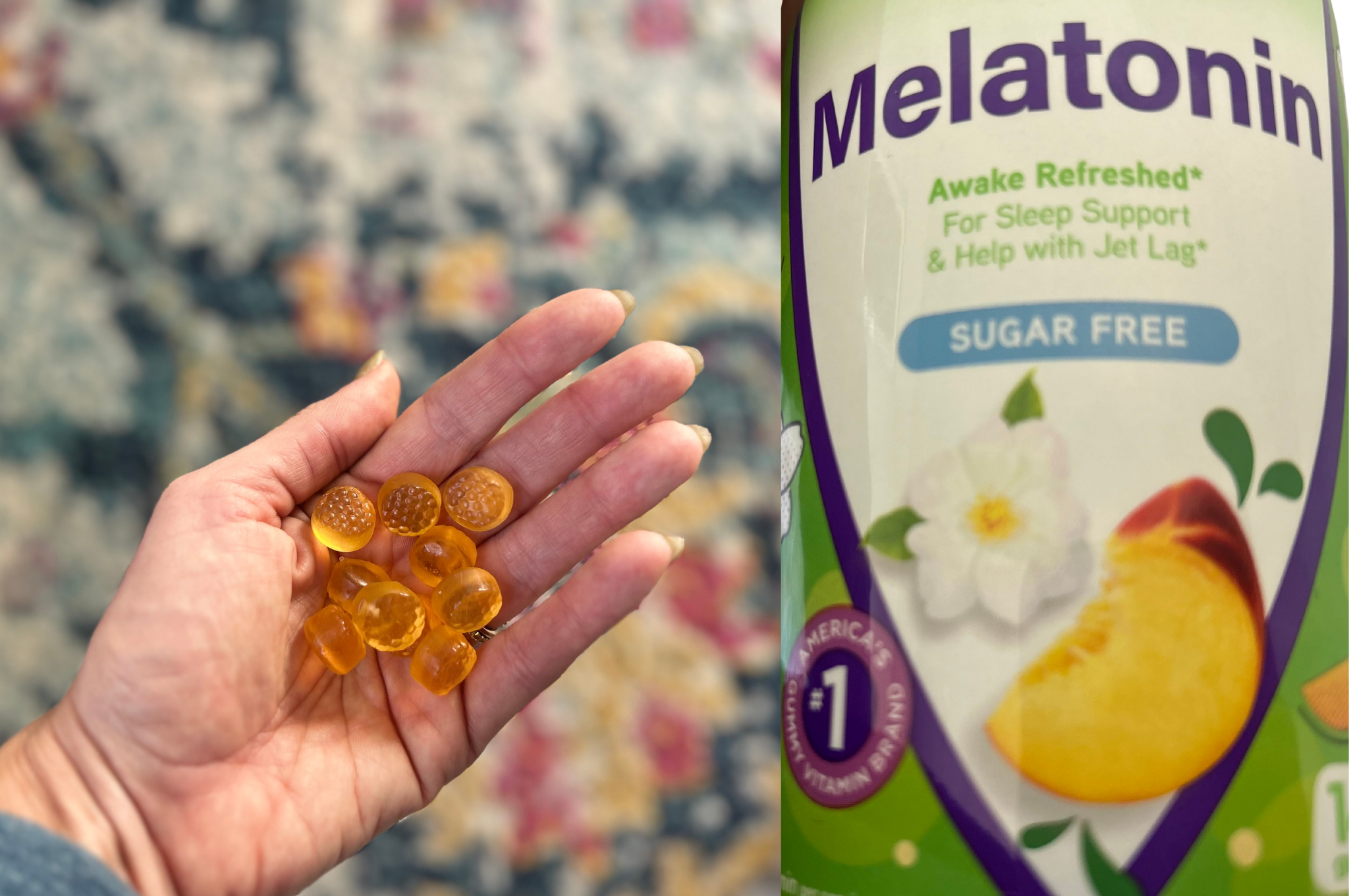
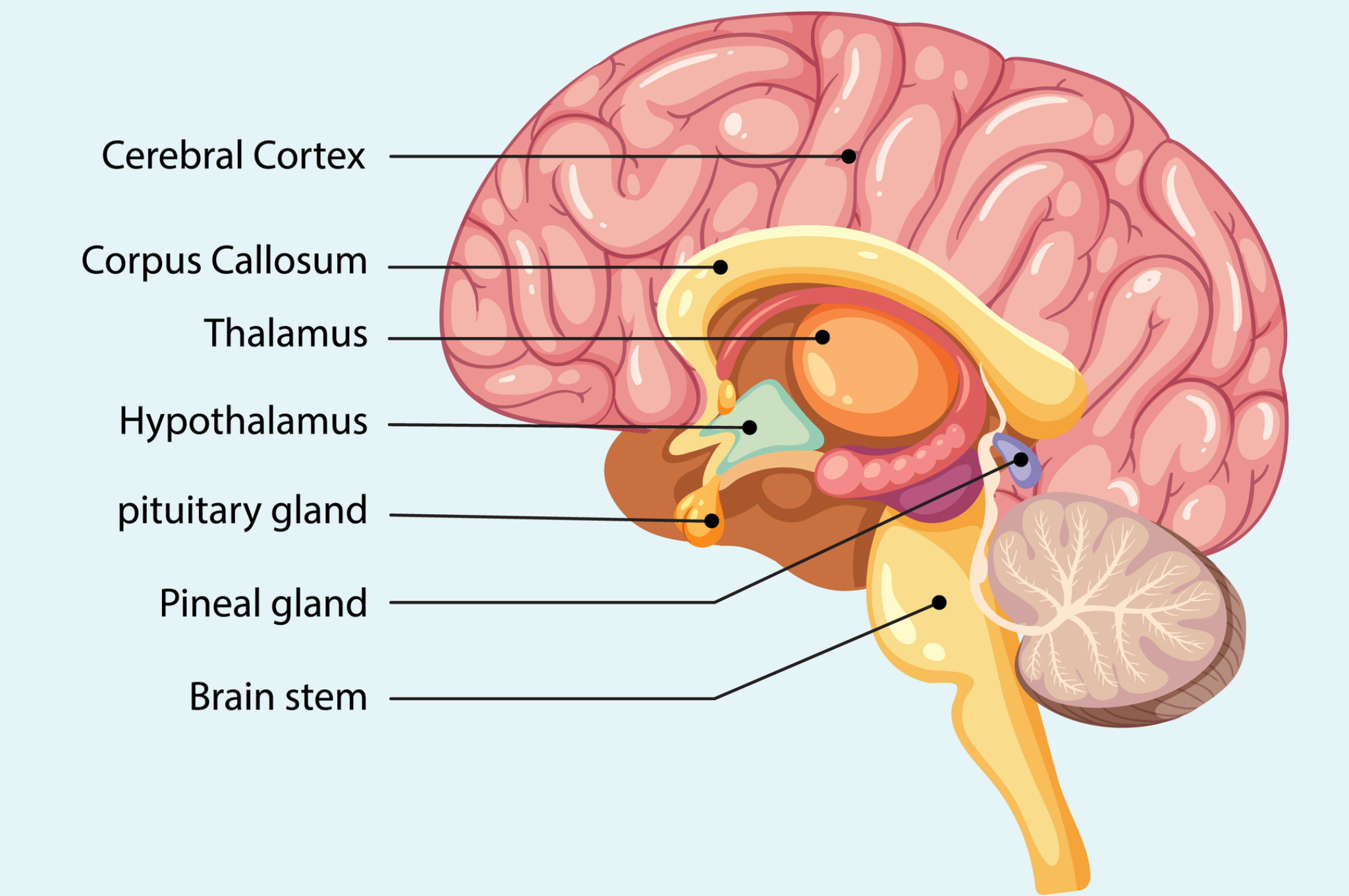
Melatonin is a hormone naturally produced by the pineal gland, a pea-sized gland buried deep in the brain, which regulates the body’s circadian cycle of sleep and activity. (The gland got its name because it’s shaped like a pine cone.) But, as you may well know, melatonin is also available as a supplement, widely used to treat jet lag and insomnia. It’s also appealing to athletes seeking to fall asleep faster, in an attempt to offset chronically burning the candle at both ends.
It had long been thought to be safe, with the primary problem being that you can’t trust the label to tell you exactly how much you are taking. A 2017 study found that pills ranged from having as little as 15% the claimed amount to nearly five times more than claimed. Even different production lots from the same manufacturer could vary by a factor of nearly five. But that was seen as a quality-control problem. Overall, the supplements were widely viewed as safe.
Last month, however, a team of physicians, mostly from SUNY Downstate Health Sciences University, Brooklyn, NY, dropped a bombshell: habitual melatonin use is linked to a dramatically higher risk of heart failure, hospitalization, and premature death.
“Melatonin supplements may not be as harmless as commonly assumed,” Ekenedilichukwu Nnadi, lead author of the study, said in a statement. (Nnadi could not be reached for direct comment.)
About the Study
The research, presented in a poster session at the American Heart Association’s annual Scientific Sessions meeting, November 7-10 in New Orleans, drew on an international database of privacy-protected medical records to identify 130,000 people diagnosed with chronic insomnia, half of whom were prescribed melatonin for at least a year, half of whom were not. People were excluded if they had already been diagnosed with heart failure or had been prescribed other types of sleeping pills. Those included in the study were then tracked over the course of five years.
The motivation for the study was simple: Prior research had shown a dearth of studies of the popular supplement’s long-term safety. A 2023 Australian meta-analysis, for example, found that most prior safety studies had been short duration (less than 12 weeks), “and thus give no evidence for long-term safety.”
The new findings weren’t good news for melatonin.
- Over the course of the five years, the long-term melatonin users had an 89% higher rate of developing heart failure than the non-users (4.6% versus 2.7%, respectively).
- Those taking melatonin were 3.4 times more likely to be hospitalized for heart failure than those not taking it—meaning that if melatonin users developed heart failure, it tended to be more severe than that experienced by non-users.
- Melatonin users were nearly twice as likely to die from any cause (7.8% versus 4.3%) during the five years covered by the study. That’s an impressive set of findings, particularly because, due to the size of the study, there is pretty much no way it could be due to chance. It’s a big study, finding a big effect.

5 Points to Consider About the Study
Before you panic, dump your pills, and decide you’d rather count sheep or endure jet lag, be aware that there are numerous caveats, some recognized by the authors themselves.
- It is a preliminary finding that has yet to go through the rigorous process of scientific peer review used by major scientific journals—a process that is most likely going on, right now.
- It focuses on long-term melatonin use, not occasional use to offset jet lag or a sleepless night.
- The average age of the study participants was 56. That means many were older than that, and the older you get, the higher your risk of heart failure. By the time you get to your 70s, it climbs to 10%—and a substantial fraction of people die within a year of diagnosis. Bottom line: whether you take melatonin or not, as you age, heart failure is a major risk.
- The study participants weren’t necessarily runners. There are lots of studies showing that exercise improves heart health, including reducing the risk of heart failure.
- It is a statistical study. It shows an association between melatonin use and increased risk of heart failure or death, but associations don’t necessarily mean causality. It is possible that, for some reason, insomnia patients who choose to use melatonin are at higher risk of heart failure for reasons utterly unrelated to melatonin.
When I discussed this study with MD friends, that is exactly what they wound up scratching their heads over. One told me that after our first discussion, she kept thinking about it, trying to figure out what might have been going on with the melatonin group, unrelated to melatonin. In epidemiological terms, it is possible that melatonin use is a “proxy” for something physiologically unrelated. If so, the question is what.
Marie-Pierre St-Onge, a nutrition researcher and sleep researcher at Columbia University, New York, who was not part of the study team, agrees. “It’s important to note that this is a cross-sectional study, so it doesn’t really provide information on causality,” she said in a video interview for the American Heart Association. “But it still raises questions.”
Nnadi concurs. “While the association we found raises safety concerns,” he said, “our study cannot prove a direct cause-and-effect relationship.”
He even suggests a few things that long-term melatonin prescriptions might be proxies for, including unusually severe insomnia, depression, anxiety, or the use of other sleep-enhancing medicines. Any of these, he said, might be linked to both melatonin use and heart risk, thereby creating an apparent relationship between melatonin itself and heart failure. “More research is needed to test melatonin’s safety for the heart,” he said.
link