
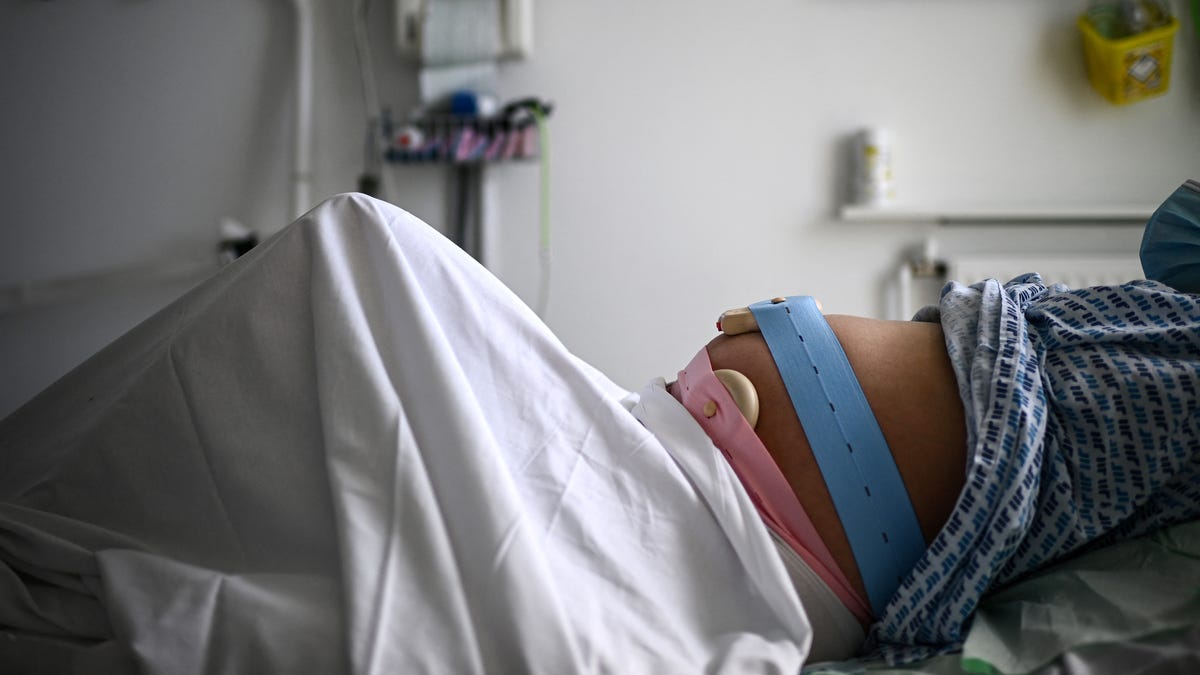
On walks, I was seized by an overwhelming, unwanted compulsion to throw myself and my baby into oncoming traffic. My story isn’t rare, but I am healed because I received help many women never find.


Experts dispute Trump’s autism claims about Tylenol
Medical experts are challenging President Donald Trump’s autism claims, defending Tylenol’s safety in pregnancy.
“I can’t be left alone with her.” The words escaped my lips as a half-whisper, half-scream. My physician husband startled awake, expecting a call from the hospital, not the emergency lying beside him.
Three months earlier, I nearly died giving birth to our second daughter. The delivery room, full of music and laughter, fell silent as I was rushed to surgery. I saw my husband holding our baby, the floor slick with blood. A massive blood transfusion. An emergency hysterectomy. Then I woke up to her beautiful, sweet face. Lucky. Blessed. Grateful. All the right words.
I lived in that gratitude for months. I smiled through checkups, believing my own script: “I am OK. I am thankful. I am happy.” But my mind quietly betrayed me.
Intrusive thoughts invaded like static. I saw insects crawling in my food. My baby’s head was distorted. I couldn’t see people who were in the same room as me. And even on beautiful afternoon walks, I was seized by an overwhelming, unwanted compulsion to throw myself and my baby into oncoming traffic.
I became detached from reality, terrified of what I might do to my baby and myself. Shame bound me to silence until I woke him up.
He got me help.
I was diagnosed with postpartum obsessive-compulsive disorder and psychosis. I’m a neurologist married to a neurosurgeon; I understood the brain but lost touch with my own.
Mental health complications after birth are incredibly common – and preventable
I became a patient at The Motherhood Space in Jacksonville, Florida – one of fewer than 40 intensive programs in the nation that treat mood and anxiety disorders during and after pregnancy. Therapy, on-site childcare, transportation and lactation support removed barriers that keep most mothers from treatment. Within weeks, I learned to separate fear from truth and trust my own mind again. I found my way back to myself.
Today, I am healed. I carry scars, some visible and some unseen. I received help that many women never find. Most lack access, knowledge or support and vanish into the gaps of our system.
My story isn’t rare. American mothers die at three times the rate of women in other developed countries. Mental health complications are now the leading cause of pregnancy-related death, yet more than 80% of these deaths are preventable.
Effective treatments exist. When recognized early, most women fully recover. Left untreated, the consequences are devastating: disrupted mother-baby bonding, delayed childhood development, long-term financial strain, and even death.
The cost isn’t only emotional. It’s economic. Untreated maternal mental health conditions drain an estimated $14.2 billion from the U.S. economy each year in lost wages and medical bills.
Medicaid finances about 40% of births and serves as the backbone of maternal care in our nation. Just as this crisis draws national headlines, proposals to cut nearly a trillion dollars from the program threaten to sever coverage at the very moment women are most vulnerable. It reflects a system centered around birth of the baby but quick to forget the mother who delivered her.
Care for mothers fractures as soon as they give birth
Care fractures after birth. Obstetricians hand patients off, while primary care and pediatric offices rarely have the training or time to address maternal mental health. Most crises unfold after the standard six-week postpartum visit when mothers are left without ongoing care. Screening focuses narrowly on depression and often happens only once. Yet anxiety, obsessive thoughts and post-traumatic symptoms often emerge months later and go unseen.
Even when mothers seek help, the system too often stalls. Referral pathways clog. More than 80% of birthing-age women in the United States live in counties designated as mental health professional shortage areas, leaving many without access to clinicians trained in perinatal care. Waitlists stretch for months, and insurance rarely covers this specialized care.
The result is a maze of unanswered calls. Emergency rooms replace therapy. Families are forced to choose between paying out of pocket or waiting for a crisis. For many, a diagnosis brings another barrier instead of relief.
Families and communities unravel when mothers aren’t supported. But we can still repair this failure.
Insurers must recognize maternal mental health as essential, lifesaving care and provide continuous coverage through the first year after birth. Medicaid must be strengthened rather than gutted so mothers don’t lose access just as symptoms emerge.
Mental health assessments should be built into every obstetrician, pediatric and primary care visit, as routine as blood pressure checks. Expanding programs like The Motherhood Space and supporting advocacy organizations such as the Maternal Mental Health Leadership Alliance would translate awareness into action – extending telehealth access, training providers, and advancing the research and legislation mothers urgently need.
These are modest investments with enormous returns. We need care that safeguards mothers as faithfully as it nurtures their babies. This isn’t only about policy; it’s also about perspective. When mothers suffer, it isn’t a personal failure. It’s a systemic one.
Waking my husband up saved my life. Survival shouldn’t depend on chance. It should depend on a system built to care.
Dr. Barbara “Bobbie” Decker is an adult epileptologist at Mary Washington Healthcare in Fredericksburg, Virginia, whose work focuses on women’s neurology across the reproductive lifespan.
link