

3-minute read

NJ food banks in ‘disaster mode’ amid SNAP benefits uncertainty
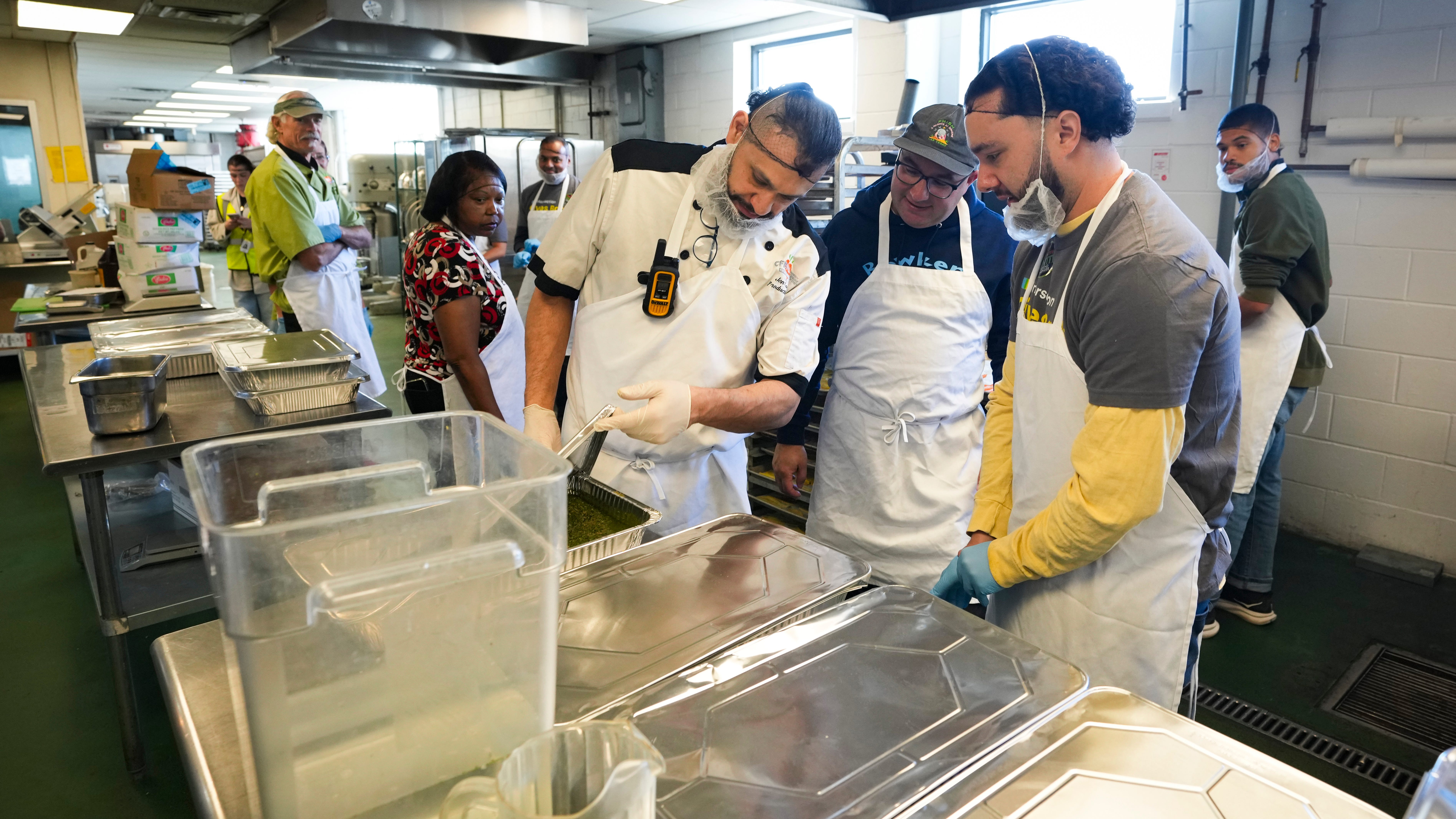
New Jersey food banks are in ‘disaster mode’ as the government shutdown is affecting SNAP benefits.
New Jersey Attorney General Matt Platkin joined his fellow attorneys general from California, Minnesota and New York on Nov. 10 to explain why they are taking further court action against the federal government after a weekend of “whiplash” directives on how to handle SNAP food benefits for residents.
Platkin called the actions of the Trump administration to withhold benefits amid the federal government shutdown “unlawful, unconstitutional and frankly heinous.”
The coalition of attorneys general, which features 22 other attorneys general and three governors, spent the weekend fighting the Trump administration to ensure that SNAP benefits, formerly known as food stamps, could be paid to residents without fear of political repercussions against the states.
Story continues below photo gallery.
“I never imagined in my life I would have to use the education and training I have as a lawyer to prevent my government, the government that I pay taxes to, to prevent it from starving American citizens, and yet here we are,” Platkin said.
“I also don’t understand as a lawyer, as a public servant, as somebody who follows my faith, as a human being, how there are people in the highest offices of this country, and frankly, that there are public servants who swore an oath to serve the millions of Americans who pay their salaries, that they would use that privilege to starve them,” he said.
States sued and court intervenes
Because of the ongoing government shutdown, funding to the Supplemental Nutrition Assistance Program was withheld by the Trump administration at the start of November. A coalition of attorneys general sued to restore the benefits, and as of Friday, due to court intervention, funding was distributed.
Sarah Adelman, New Jersey’s human services commissioner, confirmed Friday afternoon that the funding had been issued for November.
Then the Trump administration called for states to “undo” the benefit payments and got a stay issued by the U.S. Supreme Court to stop payments during the appeals process.
The Department of Agriculture, which oversees the SNAP program, then called payments that had already been issued “unauthorized” and said they must be undone or states could face penalties.
Platkin and his fellow attorneys general filed and were granted a temporary restraining order to block that clawback directive.
Platkin said New Jersey will continue to provide full payments to recipients because the 1st U.S. Circuit Board of Appeals already ruled that the federal government has to pay full benefits even if the Trump administration is still trying to go to the Supreme Court on that order.
Even if the shutdown does end soon, the coalition is still trying to prevent the Trump administration from penalizing states for following a court order to provide the benefit, Platkin said.
NJ hospitals trying to fill the gap with meals
Some hospitals in New Jersey are moving forward with plans to deal with hunger in big and small ways, regardless of the deal reached Sunday night in the Senate that would restore benefits.
Executives at Hackensack Meridian Health — the state’s largest health care network — announced on Monday, Nov. 10, that they have launched a $7 million program to deal with the delay in benefits.
Among the programs is one that will provide easy-to-prepare meals to low-income students for weekends and school breaks and a dollar-for-dollar match on fresh fruits and vegetables for SNAP enrollees at participating stores.
Bergen New Bridge Medical Center in Paramus — the state’s largest hospital — will begin serving meals free to anyone every Tuesday and Thursday from 4 to 6 p.m., executives announced Monday. No sign up is necessary. Guests should use the main hospital entrance.
SNAP is federally funded, but states are responsible for administering it. When it became clear last week that hundreds of thousands of New Jersey residents could lose access to their SNAP benefits, Gov. Phil Murphy, Assembly Speaker Craig Coughlin and Senate President Nick Scutari said they would be “accelerating the delivery of food and hunger grants” to food banks throughout the state.
The $42.5 million in grant funding was not newly awarded to those facilities, though. It was money that had already been allocated to the organizations in the fiscal year 2026 budget at the end of June.
NJ had over 800,000 SNAP recipients
As of August, New Jersey had 812,966 recipients from 436,452 households. There are 341,529 children enrolled.
About 1 in 3 of those people have disabilities and 1 in 5 are over 60 years old, according to the state Department of Human Services.
Funding SNAP in New Jersey costs the federal government $160 million per month. The amount paid out varies by household or recipient.
While the attorneys general came together to talk about SNAP, the deal the Senate reached Sunday to end the shutdown also came up, and none of those assembled were supportive.
“The Trump administration’s position was ‘we are going to starve hungry Americans until you allow us to rip away affordable health care from other Americans,’” California Attorney General Rob Bonta said. “That is not a choice, and the Democrats who agreed to under those threats, I think, caved, and they shouldn’t have, and I’m very disappointed.”
Platkin echoed that sentiment and said the group has been “fighting over the past several days and weeks to prevent this government from using people’s hunger as a political tool.”
“I don’t understand what you go to Congress for if it’s not to fight to drive down these costs and protect our residents when they’re being used as political pawns, so I certainly wouldn’t have agreed with that deal,” he said.
link