
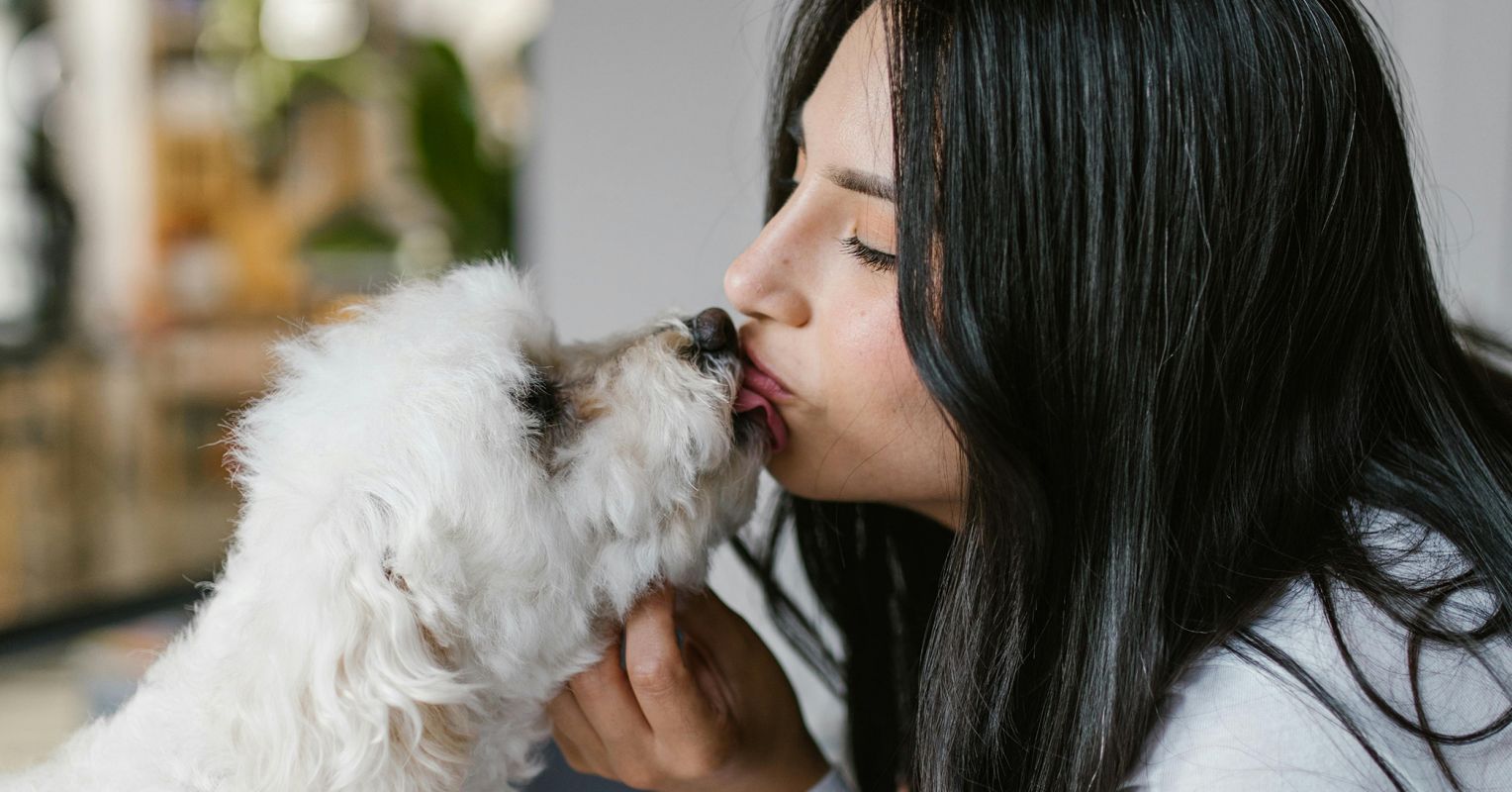
There is a large body of evidence suggesting that owning dogs is good for your physical and mental health. Living with a dog can actually help your children by reducing their susceptibility to allergies. It can also improve your heart health and ultimately perhaps increase your lifespan. However, most of the recent research has focused on the stress-reducing and mental health benefits of dogs.
A team of Japanese researchers, with lead researcher Eiji Miyauchi from Gunma University and senior researcher Takefumi Kikusui from Azabu University are associated with the Tokyo Teen Cohort Project, which is an ongoing longitudinal study of adolescents and their primary caregivers. They were intrigued by an earlier piece of research from this project, which demonstrated that dogs improved the mental health and social stability of teenagers. Specifically, that study found that adolescents with a dog at home reported fewer social problems than those without a dog. The data showed that teenagers who own dogs when they were 13 years of age had significantly lower scores for social problems, social withdrawal, thought problems and lower levels of delinquent and aggressive behaviors when measured later, then those who did not own dogs. The unanswered questions had to do with why this might be, and these investigators came up with the unexpected hypothesis that it might have to do, at least in part, with “symbiosis with microorganisms.”
How Are Microbes Associated with the Benefits of Owning a Dog?
To understand what they are suggesting, we have to first recognize that living inside of our intestines is a colony of active natural bacteria and other microorganisms, which together are called the “gut microbiome”. This community of microorganisms has a symbiotic relationship with us — which means we both benefit from the relationship. Our contribution is that our bodies provide food and shelter. In return, the gut microbiome helps our bodies digest certain nutrients, but in addition, it helps to train our immune system, and the data shows that it can even stimulate the production of important neurotransmitters in our brains. It is that last fact which is of interest, since there is data that shows that the gut microbiome of dogs is different from that of humans but living together might cause these to interact.
Sharing Microbiomes
For this new study, the team selected a new sample of 247 non-dog owning and 96 dog owning adolescents aged 12 to 13 years. They administered the same inventory to measure mental health and behavioral scores that was used in the previous study and replicated the earlier finding that the dog owning adolescents had better mental health and social adjustment. But now they added an additional step, namely they took samples of saliva from the adolescents to measure their microbiome. They reasoned that pets can affect their owners gut microbiota in a variety of ways through everyday interactions. When you hug your dog or come into close head-to-head contact (not to mention sleeping in the same bed with the dog) you are breathing the same air with the possibilities of microbial transfer. Simply petting the dog, and then bringing your hand near your face, can accomplish the same thing.
As they predicted, the data showed that the composition of the microbiome was different in dog owners versus non-dog owners. They found that 12 types of bacteria were significantly less frequent in the saliva of non-dog owners.
Do Gut Microbes Really Affect Behavior?
The important question remains: Does the change in the gut microbiome resulting from living with dogs actually cause changes in the behaviors of the teens? Here is the innovative part of the experiment. To test that psychological hypothesis, the team treated laboratory mice with the microbiota that they had extracted from the saliva of dog owning teams, putting a dose directly into their stomachs. The idea was to see whether it affected the social behavior of the mice.
They next used a behavioral test which has been used in other experiments which involves another mouse which has been placed in a clear plastic tube, with holes drilled out. The test mice are introduced into the cage and their behavior is monitored. The degree to which they approach the trapped mouse and spend time sniffing is a measure of what is called “prosocial behavior” which is interpreted as being something like empathy or the desire to help. The results showed that the mice treated with the microbes from the dog-owning adolescents have a higher number of sustained social approaches toward the trapped mice, suggesting that they are more sociable and caring. This seems to confirm that it was the change in the microbiome observed in the saliva of teens living with dogs which was having a direct influence on the improvements measured in the social and psychological behaviors of human adolescents who donated it.
The team summarizes their results, suggesting “Although it is not possible to directly compare human and mouse behavior, these results suggest that the microbiota is partly responsible for the improvement in adolescents’ social behavior after living with dogs.”
Copyright SC Psychological Enterprises Ltd.
link